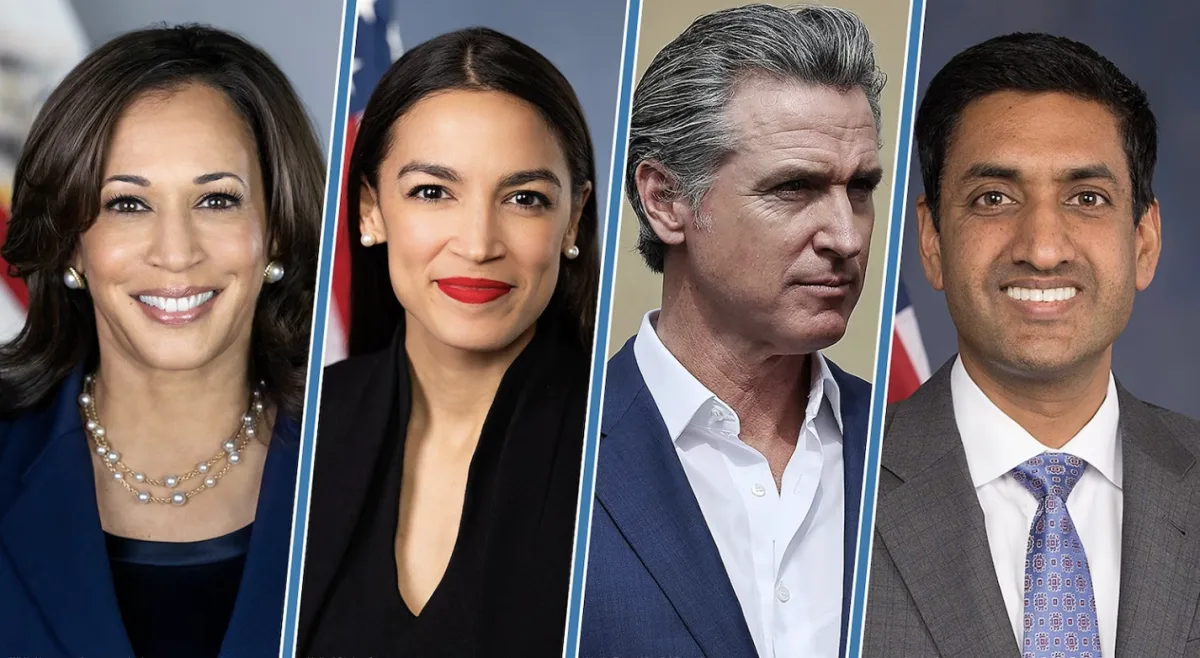
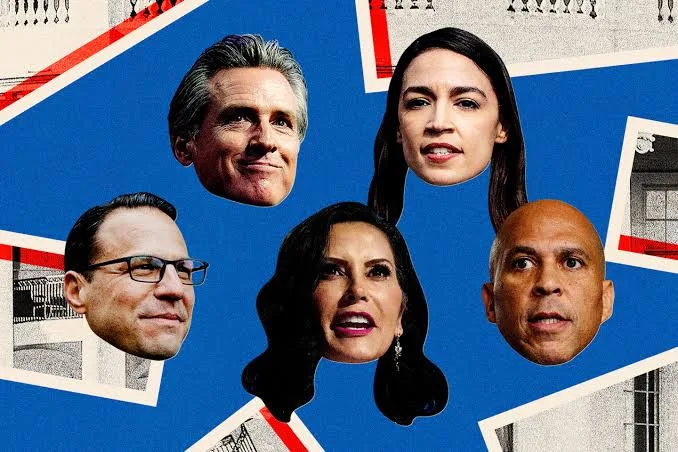
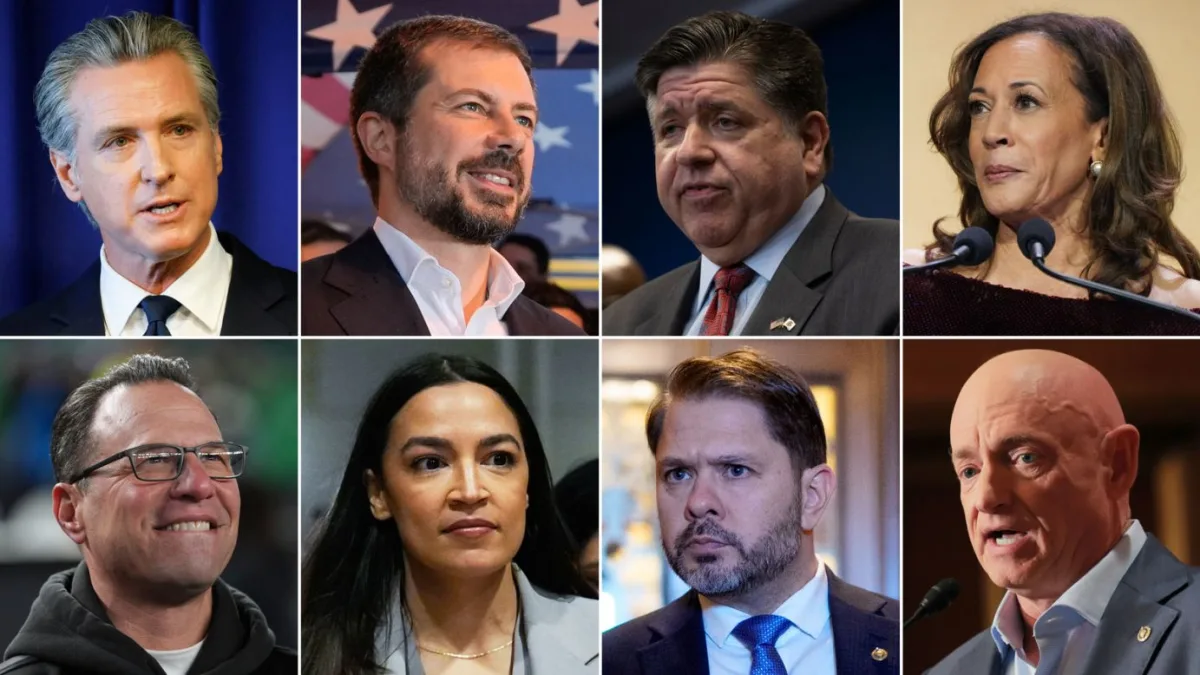
The 2028 presidential election is scheduled for November 7, 2028. President Donald Trump is constitutionally barred from seeking a third term under the 22nd Amendment — making this the first open presidential race since 2008, when both parties fielded competitive primaries simultaneously. The result is an unusually large and dynamic field of potential candidates on both sides.
Here is what we know about every serious contender as of June 2026.
Republican Candidates
JD Vance — Vice President of the United States
Status: Likely candidate | Latest polling: 36% Republican primary (Emerson, June 2026)
JD Vance is the presumptive frontrunner for the 2028 Republican presidential nomination, though his lead has narrowed dramatically. The 41-year-old Vice President — author of Hillbilly Elegy and former Ohio Senator — commanded 52% in February 2026 Emerson polling before sliding to a near-tie with Marco Rubio. His strongest support comes from male Republican voters and those over 60. The biggest variable shaping his candidacy: whether President Trump formally endorses him as a successor.
Marco Rubio — Secretary of State
Status: Likely candidate | Latest polling: 35% Republican primary (Emerson, June 2026)
The former Florida senator has staged one of the most dramatic surges in early 2028 polling. Rubio jumped from 20% to 35% in a single month of Emerson polling — a gain attributable in part to his visible international diplomacy profile as Secretary of State and in part to softening enthusiasm for Vance. At 54, Rubio brings significant foreign policy experience and is widely seen as a capable debater who could appeal to suburban Republicans skeptical of the administration's domestic economic record.
Ron DeSantis — Governor of Florida
Status: Possible candidate | Latest polling: 5-9% Republican primary
DeSantis mounted an unsuccessful primary challenge against Trump in 2024, and his numbers have not fully recovered. The Florida governor still holds 5% in the Emerson poll — a foundation to rebuild from, but a long distance from the 30%+ he polled at his peak in late 2022. DeSantis is unlikely to formally begin 2028 campaign activities until Florida's current political calendar allows it, likely in late 2026 or 2027.
Nikki Haley — Former UN Ambassador, Former South Carolina Governor
Status: Possible candidate | Latest polling: 4-5% Republican primary
Haley ran the most sustained primary campaign against Trump in 2024 before eventually suspending. Her 5% in current polling suggests her base of support — particularly college-educated suburban Republicans — has not disappeared, but she faces the challenge of re-entering a field now dominated by two Trump loyalists. Any path forward for Haley likely runs through a scenario in which both Vance and Rubio stumble.
Donald Trump Jr.
Status: Speculated | Latest polling: ~13% in some surveys
The president's eldest son has registered in some early polling, suggesting he carries meaningful name recognition among Republican primary voters. He has not made any public moves toward a campaign, and most Republican strategists treat his candidacy as speculative rather than probable.
Democratic Candidates
Gavin Newsom — Governor of California
Status: Likely candidate | Latest polling: ~16-25% Democratic primary (Emerson, 2025-2026)
The California governor is widely regarded as the Democratic frontrunner, despite — or because of — his unapologetic positioning as the loudest Democratic voice against the Trump administration. Newsom has toured South Carolina and New Hampshire, launched a nationally distributed podcast, built a major donor network, and publicly confirmed he is "seriously" considering a run. His governorship ends in January 2027, removing any conflict-of-interest barrier to announcing. A CBS poll found 72% of Democrats want him to run.
Alexandria Ocasio-Cortez — U.S. Representative, New York
Status: Possible candidate | Latest polling: ~11% Democratic primary (Emerson)
The New York congresswoman has generated significant excitement in the progressive wing of the Democratic Party, with Axios reporting in April 2025 that she was "surging in early polling of potential 2028 presidential candidates." At 38 years old by election day, she would be constitutionally eligible. Her candidacy would represent a generational shift — and a significant ideological test for the Democratic Party as it attempts to rebuild after the 2024 election loss.
Josh Shapiro — Governor of Pennsylvania
Status: Possible candidate | Latest polling: ~4-8% Democratic primary
Shapiro governs Pennsylvania — arguably the single most important swing state in the Electoral College — and has built a reputation as a pragmatic Democrat capable of winning in competitive territory. He was seriously considered as Kamala Harris's 2024 running mate. His supporters argue that a Midwest governor from a purple state is exactly what Democrats need after consecutive losses at the presidential level.
Gretchen Whitmer — Governor of Michigan
Status: Uncertain | Latest polling: Low single digits
The Michigan governor briefly stated she would not run for president in 2028 before walking that statement back almost immediately. "I think there will be a robust group of people running for President," she told a Michigan TV station, declining to categorically rule herself out. Like Shapiro, her appeal rests heavily on her ability to win and govern a critical swing state.
Pete Buttigieg — Former Secretary of Transportation
Status: Possible candidate | Latest polling: ~5-8% Democratic primary
Buttigieg ran a strong 2020 primary campaign, winning the Iowa caucuses before eventually endorsing Joe Biden. As Transportation Secretary under Biden, he built a national profile and demonstrated an ability to communicate complex policy in accessible terms. In some early 2028 polls, he ties Newsom in New Hampshire — a strong indicator that his 2020 organization and donor base remain intact.
Election Day: November 7, 2028
Voters will head to the polls on November 7, 2028. The winner will be inaugurated on January 20, 2029 — beginning what will be the 48th presidency of the United States. With the field still forming and the 2026 midterms yet to reshape the political landscape, the race is wide open.
We will update this guide as candidates formally enter the race. Follow live polling on our Polls tracker and explore our interactive Electoral Map.