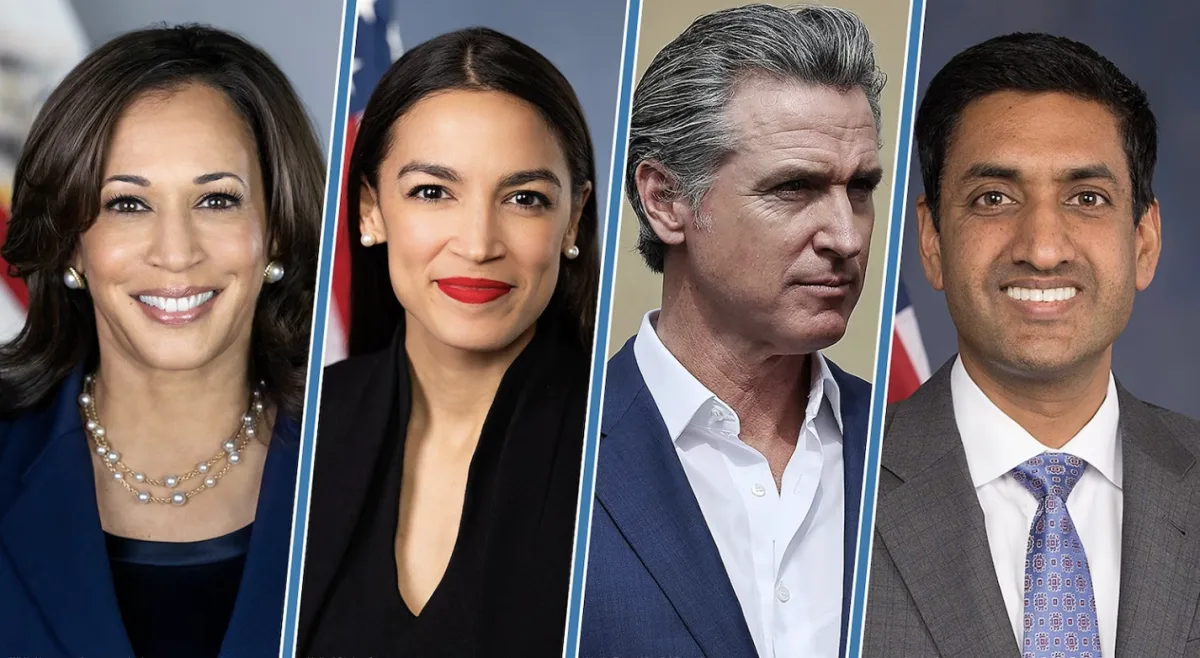
The United States will elect its next president on November 7, 2028. The winner will be inaugurated on January 20, 2029 and serve as the 48th President of the United States. For the first time since 2016, neither party has a sitting president on the ballot — making this one of the most open and unpredictable presidential elections in modern American history.
No candidate has formally declared their candidacy as of September 2026. But the invisible primary — the period of donor cultivation, early state travel, and public positioning that happens before any announcement — is already in full swing on both sides of the aisle. Here is everything you need to know about every serious contender.
When Is the 2028 Presidential Election?
Election Day: November 7, 2028. The first votes in the primary process will likely be cast in early January 2028, with Iowa or New Hampshire expected to go first on the Republican side. The Democratic primary calendar is still being determined after Biden's 2020 reforms, but Nevada, New Hampshire, South Carolina, and Michigan are likely to play early roles.
Party conventions will be held in the summer of 2028 — typically July or August. Candidates for each party's nomination will be officially selected there. The general election campaign runs from the conventions through Election Day on November 7, 2028.
Republican 2028 Presidential Candidates
The Republican field is shaped primarily by the question of who will carry forward Donald Trump's political legacy and coalition. Trump himself is constitutionally barred from seeking a third term under the 22nd Amendment, having served as president in 2017–2021 and again from 2025. The two frontrunners are both current members of the Trump administration.
JD Vance — Vice President (Frontrunner)
Vice President JD Vance is the early Republican frontrunner, leading GOP primary polls at 35% and carrying prediction market odds of approximately 20% to win the overall 2028 election. Born in 1984 in Middletown, Ohio, and the author of the bestselling memoir "Hillbilly Elegy," Vance won the 2024 vice presidential nomination and has been positioned as the most natural heir to Trump's America First movement. His challenge in 2028 will be running a full presidential campaign from inside the White House — a difficult political tightrope that few sitting vice presidents have navigated successfully.
Marco Rubio — Secretary of State
Secretary of State Marco Rubio has seen his stock rise dramatically since early 2026 as a result of his management of American diplomacy during the Iran conflict. He now polls at 35% in the Republican primary — virtually tied with Vance — and carries prediction market odds of approximately 12–18% to win the overall election. His foreign policy credibility and fluency in Spanish give him a general election profile that may exceed Vance's in purple states. Polymarket has recently shown Rubio in a near-tie with Vance for the overall election winner.
Ron DeSantis — Governor of Florida
Florida Governor Ron DeSantis ran an unsuccessful 2024 presidential primary campaign before endorsing Trump. He has remained a significant conservative figure and polls at approximately 5% in the 2028 Republican primary. His approval rating in Florida remains above 48%, and his record of winning his state by nearly 20 points in 2022 keeps him in the conversation as a potential general-election-focused candidate.
Nikki Haley — Former U.N. Ambassador
Nikki Haley ran the strongest 2024 anti-Trump primary campaign before eventually endorsing the former president. She polls at approximately 5% in current 2028 Republican primary surveys and remains a credible alternative for Republicans who want a more traditional conservative profile on foreign policy and defense.
Other Republican Contenders
Texas Senator Ted Cruz, Virginia Governor Glenn Youngkin, Arkansas Governor Sarah Huckabee Sanders, and Georgia Governor Brian Kemp are all mentioned in Republican 2028 conversations, though each faces significant structural challenges in taking on either Vance or Rubio.
Democratic 2028 Presidential Candidates
The Democratic field is wide open — there is no incumbent, no obvious frontrunner, and no consensus about the direction the party should take after its 2024 loss to Donald Trump. The primary will be a genuine competition between candidates representing different wings, geographies, and political profiles.
Pete Buttigieg — Former Transportation Secretary (Polling Leader)
Former Transportation Secretary Pete Buttigieg leads the Democratic primary field at 18% in the most recent Emerson College polling (May 2026). He won the 2020 Iowa caucuses and has built a strong national donor network. A Harvard graduate, Rhodes Scholar, and Navy veteran, he has visited Iowa and other early primary states in moves widely interpreted as presidential positioning. He would be 46 years old on election day 2028.
Gavin Newsom — Governor of California
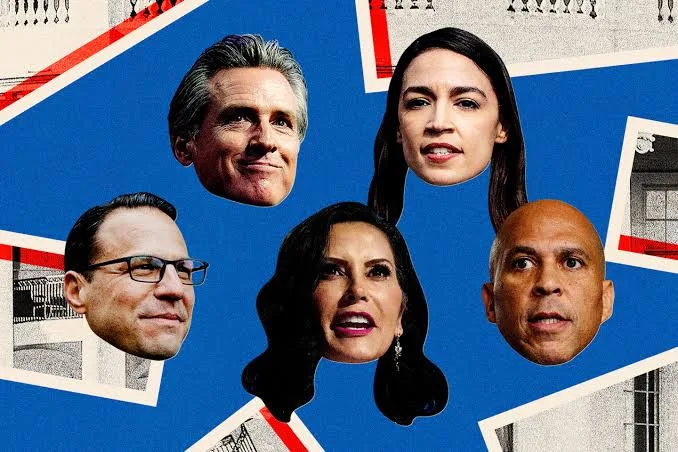
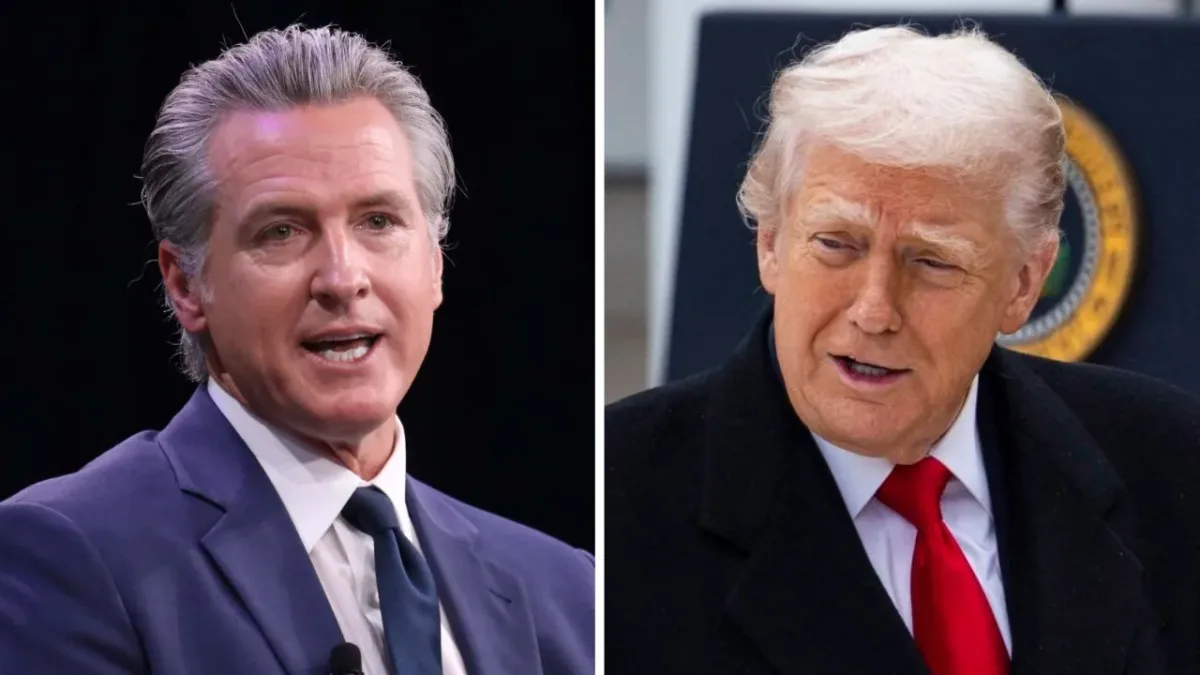
California Governor Gavin Newsom polls at 16% in the Democratic primary and has been the party's most aggressive Trump critic, making high-profile visits to South Carolina and other early primary states. He is term-limited in California and available for a 2028 run. His 2028 plans have been complicated by a DOJ investigation he calls politically motivated. Prediction markets on Kalshi show Newsom with approximately 19% chance of winning the Democratic nomination and 18–20% chance of winning the general election.
Alexandria Ocasio-Cortez — U.S. Representative, New York
Rep. Alexandria Ocasio-Cortez polls at 11% in the Democratic primary and has a progressive political juggernaut behind her — $9.6 million raised in a single quarter, 10,000-person rally crowds in red states, and a decision about 2028 she says she will make after the November 2026 midterms. Prediction markets on Kalshi show her with approximately 17% odds to win the Democratic nomination. She would be the first Latina and first woman ever elected president — a historic threshold she has addressed directly and candidly.
Josh Shapiro — Governor of Pennsylvania
Pennsylvania Governor Josh Shapiro polls at 10% in the Democratic primary — up from 4% in August 2025 — and is widely considered the strongest Democratic general-election candidate given his 15-point victory in the 2028 election's most critical swing state. His approval rating tops 52% in Pennsylvania.
Kamala Harris — Former Vice President
Former Vice President Kamala Harris is "thinking about it." She polls at 10% in the Democratic primary with particularly strong support among Black Democratic voters. A third presidential run would be historically unusual, but Harris and her allies argue her 2024 campaign — inherited 107 days before election day — was never a fair test of her candidacy.
Andy Beshear — Governor of Kentucky
Kentucky Governor Andy Beshear polls at 9% in the Democratic primary and has been visiting South Carolina and other early states. His 58% approval rating in one of the nation's most Republican states makes him a compelling argument for Democratic electability beyond the coasts.
Other Democratic Contenders
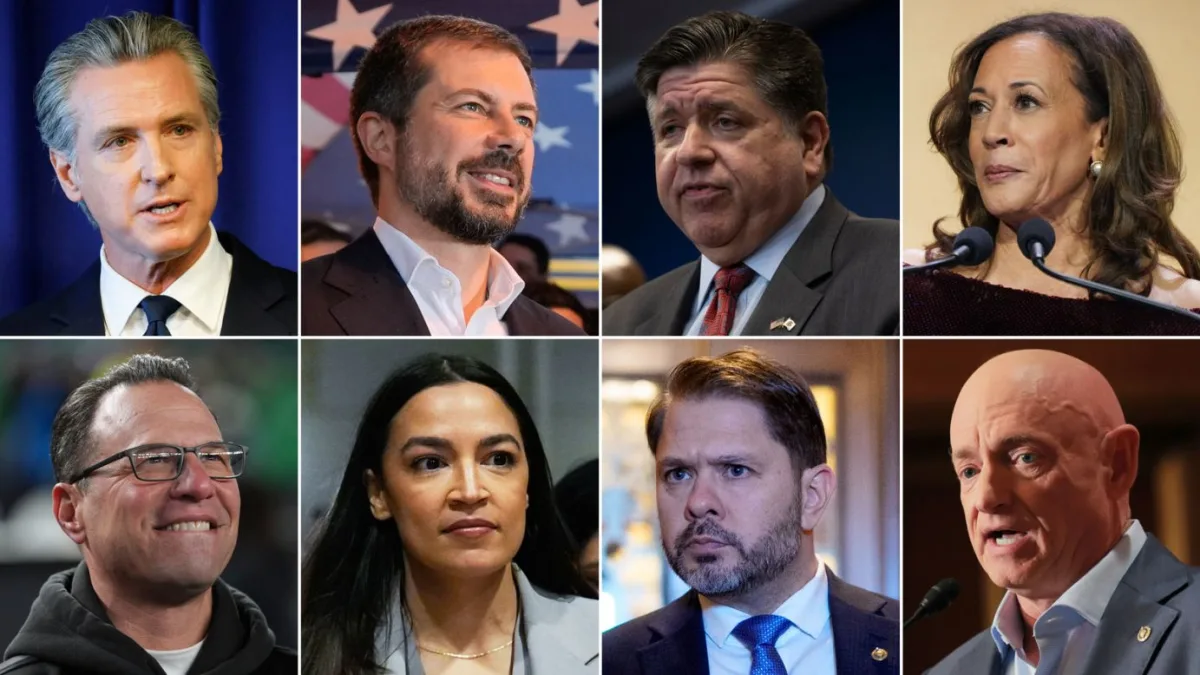
Gretchen Whitmer (Michigan), Wes Moore (Maryland), JB Pritzker (Illinois), Cory Booker (New Jersey), Amy Klobuchar (Minnesota), Maura Healey (Massachusetts), Ro Khanna (California), Tim Walz (Minnesota), Raphael Warnock (Georgia), and Jon Ossoff (Georgia) are all mentioned in 2028 Democratic conversations. Prediction markets show Ossoff with surprising strength, particularly in head-to-head matchups.
Key 2028 Election Dates
- November 4, 2026: Midterm elections — widely seen as a preview of 2028 momentum
- Early 2027: Expected first formal 2028 presidential announcements
- January–June 2028: Primary season — state-by-state voting to choose each party's nominee
- Summer 2028: Party national conventions
- November 7, 2028: General election — 270 electoral votes needed to win
- January 20, 2029: Inauguration of the 48th President
Follow every 2028 candidate on TalkBea's Candidates page, track live polling on our Poll Tracker, and find out which candidate matches your views with our 2028 Candidate Match Quiz.