Democrats Are Already Running for President in 2028 — They Just Won't Admit It Yet
A
Admin
Published September 23, 2026 at 6:12 PM ET· 5 min read· 6 views
Democrats Are Already Running for President in 2028 — They Just Won't Admit It Yet
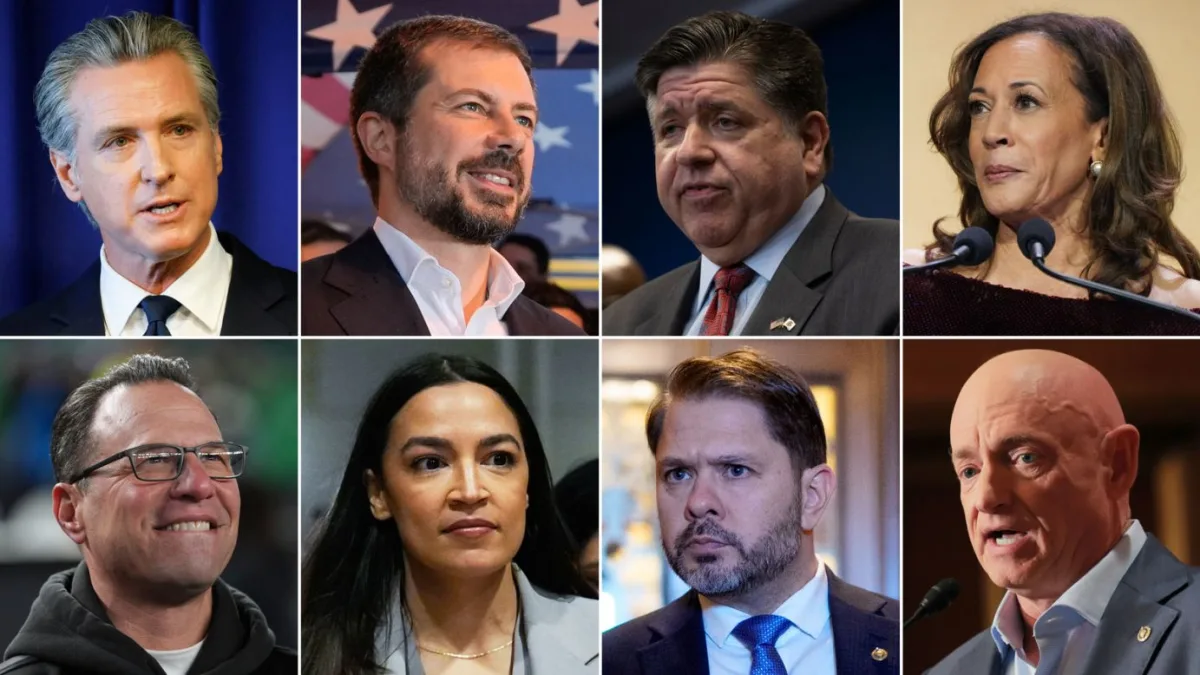
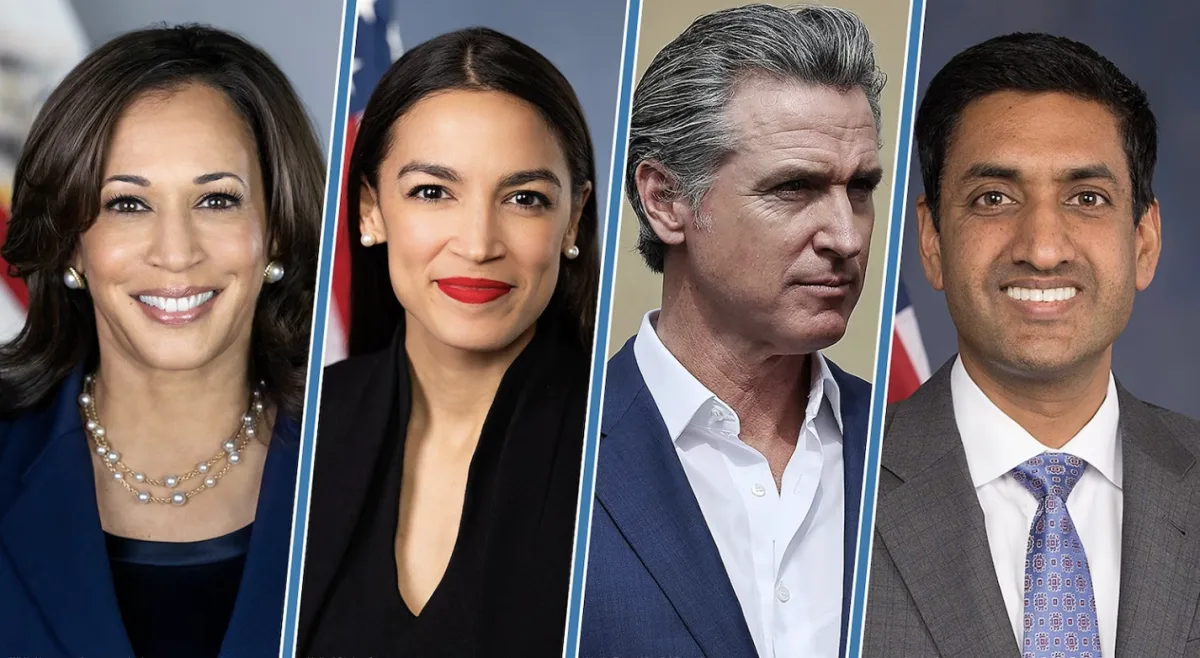
The 2028 presidential primaries are just 16 months away. No Democrat has officially announced. But Kamala Harris, Alexandria Ocasio-Cortez, Pete Buttigieg, Gavin Newsom, Josh Shapiro and others are doing everything serious presidential candidates do — everywhere except announcing.
Nobody has announced. Everybody is running.
The 2028 presidential primaries are 16 months away, and the Democratic Party finds itself in an unusual political moment: an open presidential field with no incumbent and no clear frontrunner, populated by politicians doing everything that serious candidates do — visiting early primary states, cultivating national donor networks, rolling out books, generating carefully orchestrated political moments — while maintaining the public fiction that they have not yet made up their minds.
The calendar says September 2026. But for half a dozen of the most ambitious Democrats in the country, it already feels like February 2028.
Free to read — no account required
The Moves That Matter
Political watchers know that the first clue a politician is running for president is not their announcement — it's where they choose to spend their weekends.
Gavin Newsom went to South Carolina. Not because he has particular business there as Governor of California, but because South Carolina is a Democratic presidential primary state — and Newsom wanted people to write stories exactly like this one. Every trip to an early primary state generates the speculation that builds name recognition and tests the political terrain.
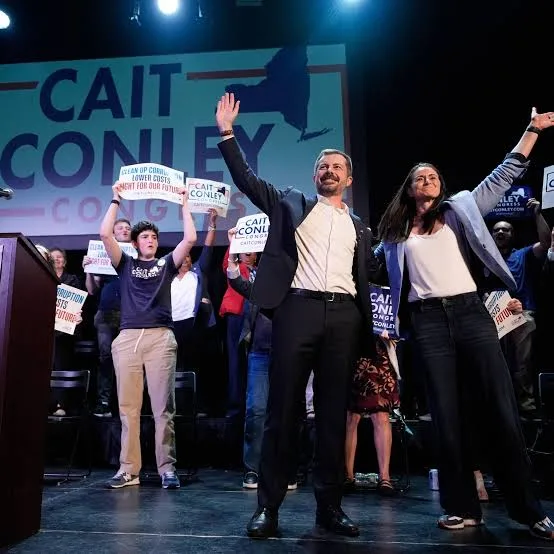
Pete Buttigieg went to Iowa — reinforcing the political geography that shaped his 2020 Iowa caucus win and the donor relationships that came with it. JB Pritzker, the Illinois governor and heir to the Hyatt hotel fortune, was in New Hampshire at the end of April. Andy Beshear, the Kentucky governor who has quietly become one of the most watched Democrats in America, has been in South Carolina this week. Josh Shapiro is making his own moves. None of them will say what they are doing. None of them need to.
Kamala Harris: On Her Own Timeline
Of all the potential 2028 Democratic candidates, the one whose decision carries the most consequence for the shape of the field is the one who has been the most deliberate about saying nothing definitive.
Kamala Harris is running what one observer called a "Malibu-based version of a Rose Garden strategy" — making campaign trail appearances in Michigan, Nevada, and Georgia while sticking to the public line that she is "thinking about it." Her allies believe she has earned the right to decide on her own timeline. Her critics — an increasingly vocal segment of the party — are less patient.
"Why not bring back John Kerry?" one Democratic strategist said in a widely-circulated quote that captures the frustration some feel about the prospect of a third Harris campaign. Harris would be the first person since Donald Trump himself to run as a major party nominee after losing as the nominee. That has historically not ended well.
Her allies push back: Harris inherited a collapsing Biden campaign with 107 days to go in 2024 and nearly beat Trump anyway. She was never given a real chance. The debate inside the Democratic Party about whether she should run again is one of the most contentious internal arguments in a party that has plenty of them.
The Governors: Everyone Is in Position
What distinguishes the 2028 Democratic field is the quality of the gubernatorial bench — and the way every serious governor has spent the past 18 months quietly preparing for a national race they cannot yet announce.
Josh Shapiro won Pennsylvania by nearly 15 points in 2022. Pennsylvania is the tipping-point state in the 2028 Electoral College — the largest battleground, the state that most often determines who crosses 270 electoral votes. A governor who won it by 15 points with demonstrated crossover appeal among independents and moderate Republicans is an extraordinarily valuable commodity in a presidential field. His approval rating has consistently topped 52% in a state that leans purple.
Andy Beshear won Kentucky — one of the most Republican states in the country — twice. His ability to win voters in places Democrats have written off is the kind of credential that resonates in a party desperate for someone who can compete in the middle of the country. His approval rating in Kentucky tops 58%.
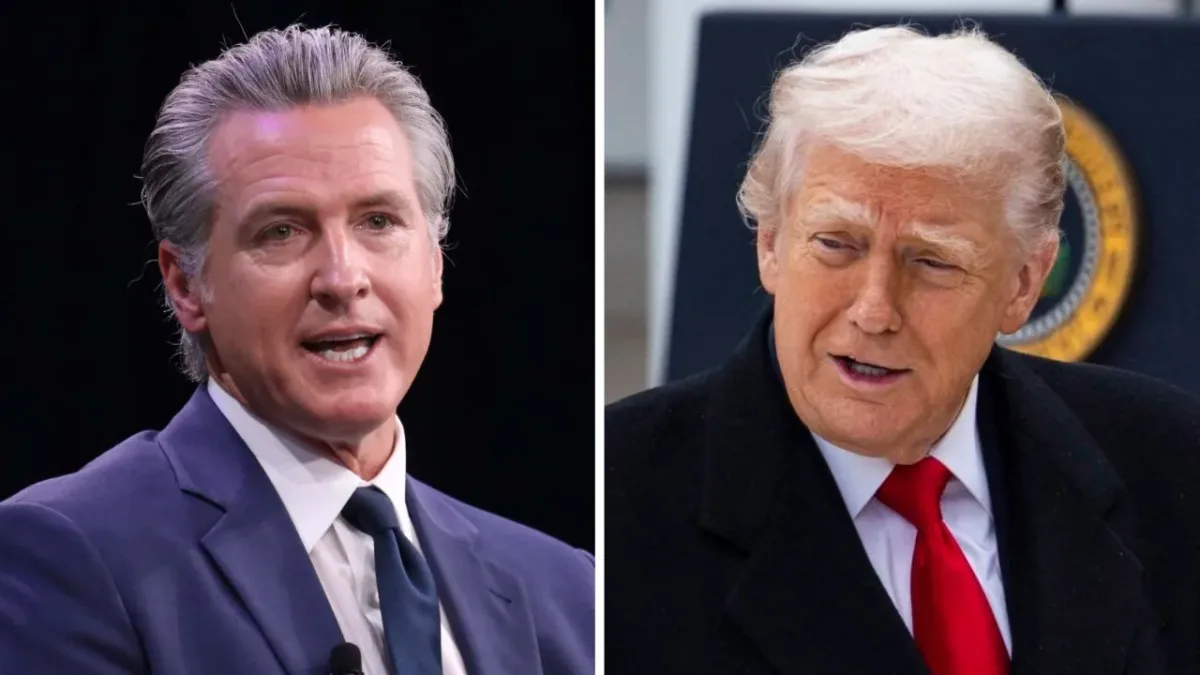
Gretchen Whitmer won Michigan by 11 points in 2022 in a state Trump carried in 2024. She is term-limited and available. Wes Moore became the third Black governor in American history when he won Maryland in a landslide. And Gavin Newsom — whatever his poll numbers and whatever the DOJ investigation his administration calls politically motivated — remains the most nationally prominent governor in the party, the most aggressive Trump critic, and the politician who has invested the most in building a national presence.
The Invisible Primary Is Already Underway
The invisible primary — the period before any announcement when candidates build networks, cultivate donors, workshop their message, and test whether there is an appetite for their candidacy — is where presidential races are actually won and lost. By the time a candidate formally announces, the die is often already cast. Donors have made commitments. Staff has been quietly recruited.
The 2028 Democratic primary will be the most consequential contested primary in either party since 2008, when Barack Obama emerged from a field nobody expected him to lead. The winner will face a Republican opponent — almost certainly JD Vance or Marco Rubio — in a general election where the economy, the Iran conflict, and two open party tickets will define the stakes.
Democrats who understood what was coming and started preparing immediately after the 2024 loss are better positioned than those still finding their footing. The moves being made this week — in South Carolina, Iowa, New Hampshire, and Michigan — will matter in ways that will not be apparent until the first votes are cast in early 2028.
The 2028 presidential race has begun. None of the candidates will tell you that. But the planes have already taken off.